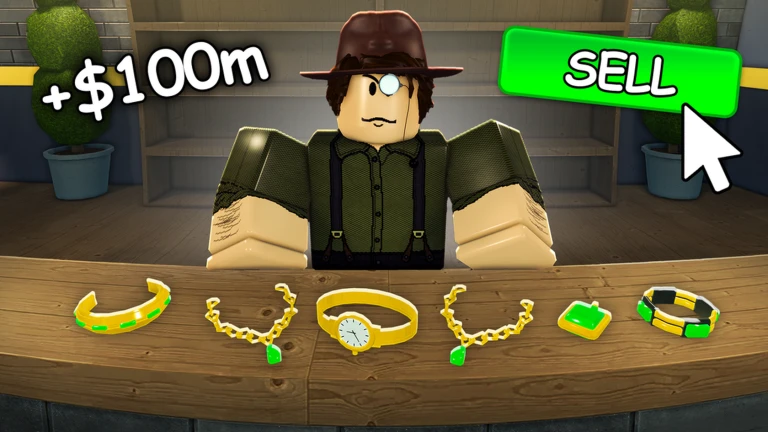
- Jewelry Empire gem tiers rank stones by cut, color, clarity, and carat weight.
- The 4Cs framework is the universal standard used to classify diamond quality.
- Tier jumps are exponential: a small clarity upgrade can double or triple price.
- Cut quality matters most for visible brilliance, even above carat weight.
- Ask for certification (GIA or IGI) before committing to any high-tier purchase.
Understanding Jewelry Empire Gem Tiers
In the fine-jewelry trade that Jewelry Empire covers, "gem tiers" refers to the layered quality rankings applied to diamonds and colored gemstones before they are set into a piece. Understanding how these tiers work is the single most useful skill a buyer can develop, because two stones that look identical in a display case can sit several tiers apart in certified quality — and thousands of dollars apart in price. The system is built on standardized grading rather than brand marketing, which means anyone can learn to read it.
The story of modern gem tiering is deeply tied to New York's Diamond District, where jewelers like TraxNYC built businesses from nothing by mastering exactly this knowledge — knowing which tier of stone to buy, how to price it fairly, and how to explain it to customers through education rather than pressure.
Video Highlights:
- How a jeweler built a jewelry business from $1,500 in the Diamond District
- Why educating customers about quality builds long-term trust and sales
- How team structure and creative marketing drive a modern jewelry brand
- The role of certified stones and fair pricing in reputation building
Gem tiers protect buyers. Without a standardized ladder, every seller could invent their own quality claims. The 4Cs system — Cut, Color, Clarity, Carat — gives every stone on the market a common language for comparison.
The Four Cs: The Foundation of Every Tier
Every gem tier ranking starts with the Four Cs, developed by the Gemological Institute of America (GIA). Each C is graded independently, and the combination determines where a stone lands on the overall tier ladder.
| Factor | What It Measures | Highest Grade | Lowest Grade | Impact on Price |
|---|---|---|---|---|
| Cut | Light performance and craftsmanship | Excellent | Poor | Very High |
| Color | Absence of tint (diamonds) | D (colorless) | Z (light yellow) | High |
| Clarity | Absence of inclusions and blemishes | FL (flawless) | I3 (visible flaws) | High |
| Carat | Weight of the stone | Larger = rarer | Smaller = common | Very High |
Cut
- Controls brilliance
- Grades: Excellent to Poor
- The only C shaped by human hands
- Prioritize this factor first
Color
- Measures whiteness
- D–F: colorless tier
- G–J: near-colorless, strong value
- Differences are subtle to the eye
Clarity
- Measures internal purity
- FL/IF: top tier, very rare
- VS1–VS2: best value zone
- SI1 often looks clean to the naked eye
Carat
- Measures weight, not size
- Prices jump at "magic" weights (1.0, 2.0 ct)
- A 0.9 ct stone costs far less than a 1.0 ct
Diamond pricing leaps at round carat marks. A 0.95-carat stone can cost 20% less than a 1.00-carat stone of otherwise identical tier, while looking nearly the same size. Buying just under a magic number is one of the oldest value strategies in the trade.
Full Gem Tier Rankings Explained
Combine the Four Cs and you get a practical tier ladder. Most jewelers and buyers informally group certified stones into tiers like these:
| Tier | Color Range | Clarity Range | Typical Use | Relative Cost |
|---|---|---|---|---|
| Collector | D–F | FL–VVS2 | Investment pieces, auctions | $$$$$ |
| Premium | D–G | VS1–VS2 | Engagement rings, luxury custom | $$$$ |
| High Value | G–I | VS2–SI1 | Everyday fine jewelry | $$$ |
| Mid Value | I–K | SI1–SI2 | Fashion pieces, side stones | $$ |
| Entry | K–M+ | I1–I2 | Casual jewelry, accents | $ |
Keep in mind that these bands are informal groupings — an official grading report always takes precedence over any summary table. The ladder is a quick mental map, not a substitute for certification.
For colored gemstones (sapphires, rubies, emeralds), the tier system shifts. Instead of the D-to-Z color scale, value is driven by hue saturation, origin (Burma, Kashmir, and Colombia carry premiums), and treatment status — untreated stones occupy the highest tier.
Sapphires and rubies are graded on hue, tone, and saturation rather than the diamond color scale. Heat treatment is common and accepted; untreated stones with strong saturation command top-tier prices and should carry lab documentation.
Step-by-Step: How to Evaluate a Stone's Tier
Set Your Budget Band
Decide your total range before shopping. This determines which tiers are realistically available and prevents emotional overspending at the counter.
Request the Certification
Ask for a GIA, IGI, or AGS report. If the seller cannot produce documentation for a high-tier claim, treat the stone as unverified regardless of how it looks.
Prioritize Cut First
Examine the stone under normal lighting. A well-cut lower-tier stone often outshines a poorly cut higher-tier one. Cut is where you should refuse to compromise.
Compare Color and Clarity Trade-Offs
Drop one clarity grade to gain a color grade, or buy slightly under a carat milestone. These trade-offs keep the stone in the same visual tier at a lower price.
Verify with an Independent Appraiser
For significant purchases, have an independent gemologist confirm the grade. Reputable sellers expect this and will not object.
For most buyers, the sweet spot sits at G–H color, VS2–SI1 clarity, and Excellent cut. The stone appears clean and white to the naked eye while avoiding the steep premiums of the collector tier.
Buying Checklist and Common Pitfalls
Before You Buy Any Gemstone:
- Verify a GIA, IGI, or AGS grading report is included
- Confirm the cut grade is at least Very Good
- Compare at least three stones in the same tier
- Check the return and resizing policy in writing
- Have significant stones reviewed by an independent appraiser
Common pitfalls to avoid:
- Fluorescence surprises: Strong blue fluorescence can make lower-color diamonds appear whiter, but may also give a hazy look in daylight. It is noted on the certificate — read it.
- Total carat weight tricks: A "1.5 carat ring" may mean many small stones, not one 1.5 ct center stone. Always ask for the center stone's individual weight.
- Vague grading language: Terms like "gem quality" or "AAA+" without a lab report are marketing labels, not certified tiers.
Online listings usually show the full certificate data, making tier comparison easy. In-store, always ask to see the physical report. Either way, education is your leverage — the most successful modern jewelers, as seen in the Diamond District, build their businesses on informed customers rather than impulse sales.
FAQ
Q: What are the most important Jewelry Empire gem tiers to know?
The practical ladder runs from Collector tier (D–F color, FL–VVS clarity) down through Premium, High Value, Mid Value, and Entry tiers. Most buyers get the best balance of appearance and price in the High Value band: G–I color with VS2–SI1 clarity.
Q: Which of the Four Cs should I prioritize?
Cut quality has the largest visible impact, because it controls how the stone reflects light. A top-tier color and clarity grade cannot save a poorly cut stone, but an Excellent cut makes even mid-tier stones look impressive.
Q: Do colored gemstones use the same tier system as diamonds?
No. Colored stones such as sapphires, rubies, and emeralds are graded on hue, tone, and saturation, plus origin and treatment status. An untreated, vividly saturated stone sits in the highest colored-stone tier, regardless of diamond-style clarity grades.
Q: Is buying just under a whole carat actually a good strategy?
Generally yes. Prices jump sharply at magic weights like 1.00 and 2.00 carats. A certified 0.90-carat stone in the same tier as a 1.00-carat stone can cost meaningfully less while appearing nearly identical in size when set.