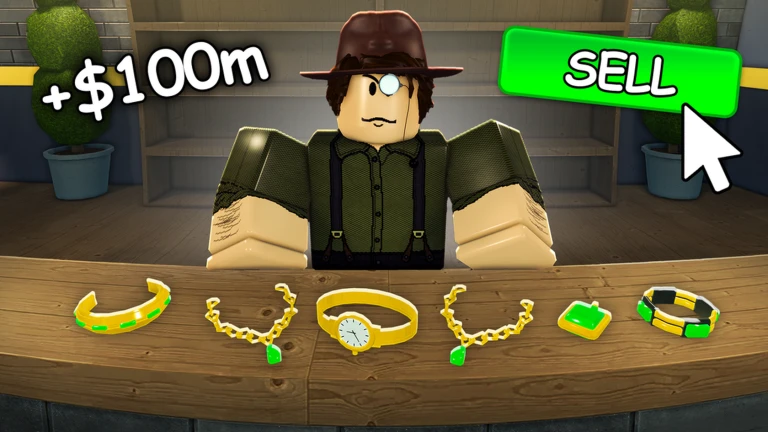
- Jewelry Empire rewards patient crafting and smart reinvestment over fast spending
- Focus on 2-3 core jewelry lines before expanding your catalog
- Reinvest early profits into workshop upgrades, not decorations
- Keep a resource reserve so you never stall production
- Customer reputation compounds — fulfill every order on time early on
Understanding the Core Loop
Jewelry Empire is built around a simple but deep loop: gather materials, craft jewelry, sell to customers, and reinvest the profits into better tools and designs. New players often try to do everything at once, which spreads resources too thin. The strongest early-game approach is to master one or two product lines first, then branch out once your income is stable.
Video Highlights:
- How a jewelry brand grows from a single market stall to a global operation
- Why accessible price points drive repeat customers and steady volume
- The value of listening to customer feedback when choosing new designs
- How celebrity and stylist visibility can multiply demand
This real-world story mirrors the in-game economy surprisingly well: the players who win in Jewelry Empire are the ones who treat their shop like a business, not a sandbox.
Watch how the founder in the video kept costs minimal until orders proved demand. Apply the same discipline in-game: do not upgrade anything until your current setup is consistently selling out.
The three pillars of the early game break down as follows:
| Pillar | What It Controls | Beginner Priority |
|---|---|---|
| Materials | What you can craft and how often | High — unlock reliable supply first |
| Crafting Speed | Orders fulfilled per day | Medium — upgrade after supply is stable |
| Shop Appeal | Customer traffic and offer quality | Low — cosmetics can wait |
Choosing Your Starting Product Line
Your first product line decision shapes the entire first month. Each line has different material needs, crafting times, and profit margins, so pick based on your play style.
Costume Line
- Cheap base materials
- Fast crafting cycles
- Lower margin, high volume
- Best for active players who check in often
Silver Line
- Balanced cost and margin
- Moderate crafting time
- Steady mid-game demand
- Best all-around beginner choice
Fine/Gemstone Line
- Expensive materials
- Long crafting time
- Highest profit per piece
- Best for patient, strategic players
A useful comparison of the three approaches:
| Metric | Costume | Silver | Fine/Gemstone |
|---|---|---|---|
| Startup cost | Low | Medium | High |
| Profit per piece | Low | Medium | High |
| Crafting time | Short | Medium | Long |
| Risk if unsold | Low | Medium | High |
| Beginner rating | ★★★★ | ★★★★★ | ★★ |
Do not craft gemstone pieces before you have a customer base. High-value items that sit in inventory tie up capital you need for daily operations.
First 30 Days: Step-by-Step
Follow this sequence to build a stable economic foundation without wasting resources.
Establish Material Supply (Days 1-5)
Lock in a steady flow of your chosen line's core materials. Prioritize consistent supply over bargain hunting — a stalled workshop costs more than slightly overpriced materials.
Craft and Sell Small (Days 6-10)
Produce small batches and sell them quickly. Your goal here is not profit; it is learning which designs your customers actually request.
Reinvest in the Workshop (Days 11-18)
Put the first real profits into crafting speed and inventory slots. These upgrades pay for themselves within the month.
Build Reputation (Days 19-25)
Accept every reasonable custom order, even low-margin ones. On-time fulfillment raises reputation, which improves future offers.
Expand the Catalog (Days 26-30)
Add a second product line that shares materials with your first. Shared materials mean less storage cost and more flexible production.
Here is a quick reference for where your money should go each week:
| Week | Spend Focus | Rough Budget Share |
|---|---|---|
| 1 | Materials only | 90% materials / 10% reserve |
| 2 | Materials + first tool upgrade | 70% / 20% / 10% reserve |
| 3 | Workshop + inventory slots | 50% upgrades / 40% materials |
| 4 | Second line setup | 60% expansion / 30% materials |
By the end of week three you should be able to fund a full day of crafting from a single day of sales. If you cannot, scale back your product tier rather than taking on risk.
Resource Management and Pitfalls
Most failed runs share the same three mistakes: overexpanding, ignoring reserves, and chasing premium materials too early. Each one is easy to avoid with a simple habit.
| Pitfall | Symptom | Fix |
|---|---|---|
| Overexpanding | Too many designs, none profitable | Cut to 2-3 lines and specialize |
| No reserve | Production stops when sales dip | Keep 10-15% cash cushion |
| Premium rush | High-value items sitting unsold | Match tier to reputation level |
| Ignoring feedback | Repeatedly crafting unwanted designs | Track requests for a week before crafting |
Always keep a reserve. A workshop that stops producing loses momentum, and reputation gains decay when you cannot fulfill incoming orders.
Beginner Milestones Checklist
First 30 Days Goals:
- Secure a stable material supply for one product line
- Complete first workshop speed upgrade
- Reach a full day of self-funding production
- Fulfill 10 custom orders on time
- Launch a second product line with shared materials
FAQ
Q: What is the best product line for a brand-new Jewelry Empire player?
The silver line offers the best balance of cost, crafting time, and demand for beginners. Costume lines work well if you play in short, frequent sessions, while gemstone lines are better saved for later once your reputation and capital are established.
Q: Should I spend my first profits on shop decorations?
No. Decorations improve shop appeal, but workshop and inventory upgrades generate income directly. Decorations become worthwhile once your production loop is self-funding.
Q: How do I avoid running out of money in the early game?
Keep a 10-15% cash reserve at all times, craft in small batches until you know what sells, and never lock your entire budget into a single high-value piece.
Q: When should I add a second product line?
Around the end of the first month, once your first line runs itself. Choose a line that shares materials with your existing setup to minimize storage costs and keep production flexible.