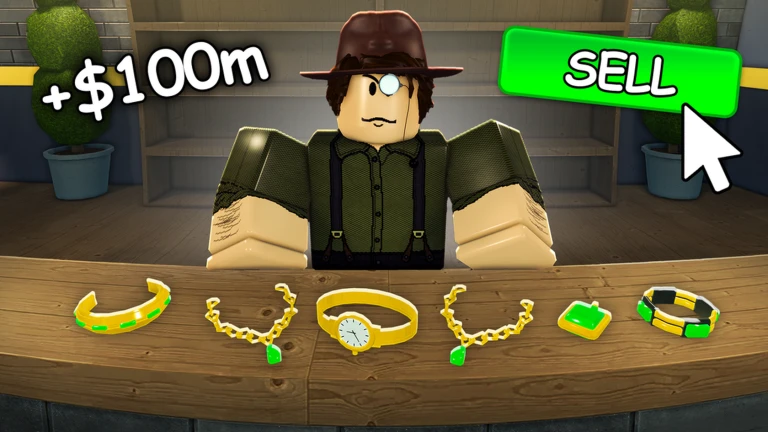
- Jewelry Empire crafting starts with mastering core bench skills before touching advanced techniques.
- Tool priority matters: buy a jeweler's bench, torch, and flex shaft before specialty equipment.
- Custom design workflow covers consultation, CAD or wax carving, casting, and finishing.
- Repairs are the bread and butter: steady repair income funds your custom jewelry growth.
- Trust and relationships separate lasting studios from short-lived shops.
Foundations of Jewelry Crafting
Every jewelry empire begins at the bench. Before chasing showroom ambitions, a crafter needs hands-on mastery of the fundamentals: sawing, filing, soldering, polishing, and stone setting. Many successful independent jewelers started exactly this way, apprenticing in small family stores and learning every facet of the trade, from bench work and engraving to appraisal and store management.
The traditional path is apprenticeship-based. You learn under an experienced bench jeweler, absorb techniques over years, and gradually take on complex work. Formal education complements this: programs through the Gemological Institute of America (GIA) teach gemstone identification, grading, and design theory that self-taught crafters often miss.
Bench Jeweler
- Hands-on fabrication
- Repairs and settings
- Core income source
Designer
- Custom creations
- CAD and wax modeling
- Brand differentiator
Gemologist
- Stone identification
- Grading and appraisal
- Customer trust builder
The head of an independent jewelry brand who spent 15 years apprenticing at a family store, then years in corporate retail, credits both experiences for his success. Blend craft mastery with business management skills rather than choosing one.
Essential Tools and Studio Setup
A functional crafting studio does not require a massive budget, but it does require smart prioritization. Start with the tools that touch every project, then add specialty equipment as your services expand.
| Tool Category | Examples | Priority | Typical Use |
|---|---|---|---|
| Bench setup | Jeweler's bench, bench pin, lamp | Must-have | All fabrication work |
| Cutting | Jeweler's saw, files, shears | Must-have | Shaping metal |
| Joining | Torch, solder, flux, pickle | Must-have | Soldering and annealing |
| Finishing | Flex shaft, buffs, polishing compounds | Must-have | Surface finishing |
| Stone setting | Burnishers, gravers, bezel blocks | High | Setting stones |
| Casting | Flask, vacuum caster, kiln | Later | Custom production |
| Design | CAD software, 3D printer | Later | Custom design workflow |
Do not buy casting and CAD equipment before you can consistently execute clean repairs and basic fabrication. Master the bench first; production tools amplify existing skill, they do not replace it.
Step-by-Step Custom Crafting Workflow
Custom work is where independent studios differentiate themselves from big-box retailers. The philosophy that successful custom jewelers share is simple: it is not about what you have in inventory, it is about what the customer wants. A studio that intentionally keeps only a few display cases and focuses on made-to-order pieces builds a different kind of reputation.
Consultation
Listen to the client's story, occasion, budget, and style preferences. Bring in heirloom stones or pieces they want repurposed. First impressions matter, so prepare properly for every meeting.
Design
Sketch concepts or build a CAD model. For wax carving projects, shape a physical model the client can review before committing to metal.
Production
Cast or fabricate the piece, set stones, and refine structural details. Reinforce weak points so stones stay secure for decades, not just for delivery day.
Finishing and Delivery
Polish, inspect under magnification, and present the piece with care documentation. This moment builds the referral that becomes your next commission.
Lifetime Relationship
Offer cleanings, resizing, and trade-in upgrade programs. Clients who return for anniversaries and milestones are the foundation of a jewelry empire.
Heirloom redesign is a trust-sensitive, high-value service. Clients hand you their most precious possessions, and delivering a transformed piece they love creates loyalty no advertising can buy.
Revenue Streams Ranked
Understanding which services actually pay the bills helps new studios allocate bench time wisely. Based on how established independent jewelers describe their business mix:
| Revenue Stream | Demand | Margin | Long-Term Value |
|---|---|---|---|
| Repairs | Highest | Moderate | ★★★★★ |
| Bridal and engagement | High | Good | ★★★★★ |
| Custom design | Moderate | High | ★★★★ |
| Anniversary and milestone | Steady | Good | ★★★★ |
| Trade-in and upgrades | Growing | Moderate | ★★★★ |
Repairs First
- Steady daily income
- Builds trust early
- Low inventory needs
Bridal Core
- Biggest single purchase for many clients
- Drives referrals
- Clients travel for the right experience
Custom Growth
- Highest differentiation
- Commands premium pricing
- Defines your brand identity
Successful studio owners report that community involvement, donating to local schools and events, and actually showing up, shakes hands, and builds relationships outperforms paid advertising. Personal presence at community events can dramatically increase return on sponsorship spending compared to donations made in absentia.
Growing From Bench to Brand
Crafting skill alone does not build an empire. Studio owners who scale successfully describe a consistent pattern: start small, leverage relationships, and learn to let go of total control.
Practical lessons from jewelers who built thriving independent stores:
- Memo inventory: In the jewelry industry, vendors can consign merchandise (called "memo") to new stores, letting a grand opening display far more inventory than the owner could afford to buy outright. Strong vendor relationships, built over years of honest dealing, make this possible.
- Hire specialists: The moment you cannot work the bench full-time because business demands it, hire a dedicated bench jeweler. Then hire a manager as the team grows.
- Empower your team: Give managers authority to make customer service calls, including discounts beyond your normal range. Trusting your people, and letting them make correctable mistakes, is how you eventually take a vacation without your phone on.
- Think like an owner: Your job shifts from making every piece to driving traffic, building connections, and growing the brand.
One studio owner who followed this playbook, apprenticeship, corporate management experience, then independence, won his city's small business awards and grew to a multi-million dollar inventory operation within seven years, all without a highway billboard budget.
Jewelry Empire Milestones:
- Master core bench skills: sawing, filing, soldering, setting
- Complete gemology coursework (GIA or equivalent)
- Build a repair client base for steady income
- Launch custom design and heirloom repurposing services
- Establish vendor relationships for memo inventory
- Hire and empower a bench jeweler and manager
FAQ
Q: Do I need formal education to start jewelry crafting?
Not to start. Many successful jewelers learned through apprenticeship at a bench. However, gemology coursework through the Gemological Institute of America adds credibility, grading skills, and customer trust that are hard to build otherwise.
Q: How do new jewelry studios stock inventory without big capital?
Through the industry practice called memo, where vendors consign merchandise to your store for a set period, often around 120 days. You report sales and settle afterward. This requires strong vendor relationships built on years of honest dealing.
Q: What service should a new jewelry crafting business focus on first?
Repairs. Established studio owners consistently describe repairs as the bread and butter of the business: steady demand, low inventory requirements, and every repair job is an opportunity to build the trust that leads to bridal and custom commissions.
Q: How important is custom design to a jewelry empire?
Very. Custom work differentiates independent studios from big-box retailers, commands premium pricing, and anchors a relationship-based model where clients return for anniversaries, upgrades, and eventually bring their children.